40% postoperative recurrence rate atypical meningioma, what are the risk signs?
Dec 03, 2025


The most common type of primary brain tumor is meningioma', a tumor that occurs in the meninges surrounding the brain. Most are slow to grow and positive, but about 15 to 20% of them are more aggressive and correspond to 'atypical meningioma (WHO grade 2)' which has a relatively high risk of recurrence.
In particular, this atypical meningioma can recur with a maximum probability of 30-40% within an average of two years even if all tumors are removed by surgery, so its management strategy after treatment is a constant subject of research among medical staff.
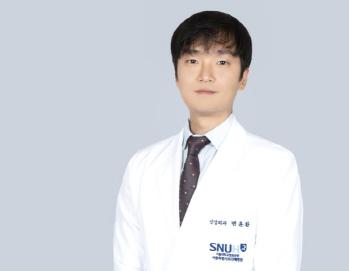
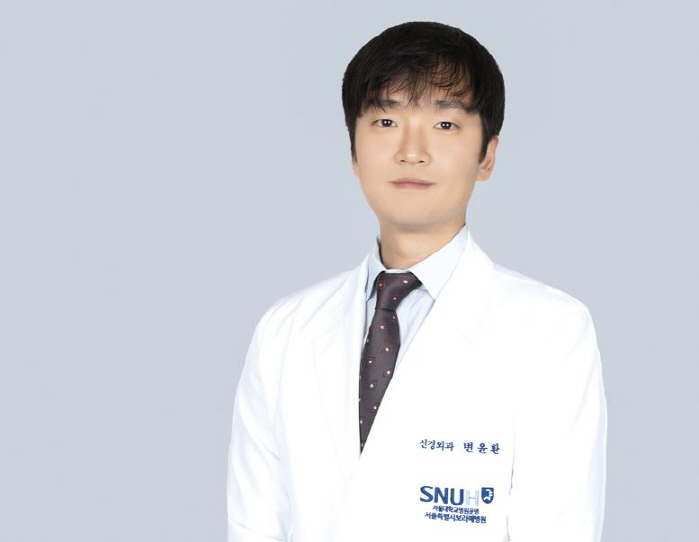
A research team led by Professor Byun Yoon-hwan of neurosurgery at Boramae Hospital (Director Lee Jae-hyeop) in Seoul National University Hospital (Dr. Han Mi-ra of Boramae Hospital Medical Research Cooperation Center and Professor Kim Min-sung of neurosurgery at Seoul National University Hospital) recently presented pathological indicators that can more accurately predict the risk of recurrence of atypical meningioma. This study is expected to be an important basis for determining treatment and follow-up strategies by determining which patients are at high risk of recurrence in the future.
The research team analyzed 240 patients with atypical meningioma who underwent surgery at a single superior general hospital from 2001 to 2020. After an average follow-up of 42 months, the tumor regrowth or progressed in about 32.5% of all patients, and the median duration to recurrence was about 25 months.
The factors related to recurrence were age, tumor resection range, sheet-shaped growth, and radiation therapy, and the notable results were pathological indicators 'mitotic count'. The risk of tumor progression was markedly increased when there were more than six mitotic counts, which was also observed in patients who completely removed the tumor. In other words, it is difficult to be optimistic about the future progress only with surgical performance, and the biological characteristics of the tumor must be carefully evaluated.
In addition, the effectiveness of radiation therapy was different depending on the degree of resection. In patients with partial resection, radiotherapy was helpful, and it was confirmed that the tumor did not grow back after treatment and the duration of maintenance was longer. On the other hand, there was no statistically obvious advantage in patients with total resection. However, the research team explains that patients with a high number of mitosis, along with other risk factors, need to be closely followed and considered for additional treatment even after the total resection.
Professor Byun Yoon-hwan said, `It is very important to accurately evaluate not only the surgical outcome but also the histological characteristics of the tumor because the risk of recurrence of atypical meningiomas varies greatly from patient to patient.' `This study is meaningful in that it provides an objective basis for establishing treatment and follow-up strategies tailored to each patient.'
The study was published in the December issue of Acta Neurochirurgica, an international journal of neurosurgery.
In particular, this atypical meningioma can recur with a maximum probability of 30-40% within an average of two years even if all tumors are removed by surgery, so its management strategy after treatment is a constant subject of research among medical staff.
A research team led by Professor Byun Yoon-hwan of neurosurgery at Boramae Hospital (Director Lee Jae-hyeop) in Seoul National University Hospital (Dr. Han Mi-ra of Boramae Hospital Medical Research Cooperation Center and Professor Kim Min-sung of neurosurgery at Seoul National University Hospital) recently presented pathological indicators that can more accurately predict the risk of recurrence of atypical meningioma. This study is expected to be an important basis for determining treatment and follow-up strategies by determining which patients are at high risk of recurrence in the future.
The research team analyzed 240 patients with atypical meningioma who underwent surgery at a single superior general hospital from 2001 to 2020. After an average follow-up of 42 months, the tumor regrowth or progressed in about 32.5% of all patients, and the median duration to recurrence was about 25 months.
The factors related to recurrence were age, tumor resection range, sheet-shaped growth, and radiation therapy, and the notable results were pathological indicators 'mitotic count'. The risk of tumor progression was markedly increased when there were more than six mitotic counts, which was also observed in patients who completely removed the tumor. In other words, it is difficult to be optimistic about the future progress only with surgical performance, and the biological characteristics of the tumor must be carefully evaluated.
In addition, the effectiveness of radiation therapy was different depending on the degree of resection. In patients with partial resection, radiotherapy was helpful, and it was confirmed that the tumor did not grow back after treatment and the duration of maintenance was longer. On the other hand, there was no statistically obvious advantage in patients with total resection. However, the research team explains that patients with a high number of mitosis, along with other risk factors, need to be closely followed and considered for additional treatment even after the total resection.
Professor Byun Yoon-hwan said, `It is very important to accurately evaluate not only the surgical outcome but also the histological characteristics of the tumor because the risk of recurrence of atypical meningiomas varies greatly from patient to patient.' `This study is meaningful in that it provides an objective basis for establishing treatment and follow-up strategies tailored to each patient.'
The study was published in the December issue of Acta Neurochirurgica, an international journal of neurosurgery.
|
This article was translated by Naver AI translator.