If you're confused about the first cold of winter, bruises, and fractures...
Dec 01, 2025


|
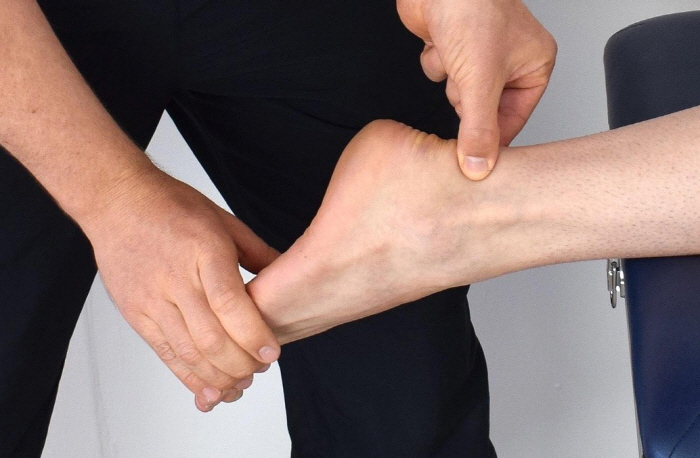
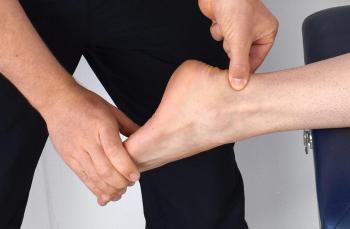
The risk of fracture increases even higher during the period when the temperature drops sharply as we enter early winter. When the weather gets colder, the flexibility of muscles and ligaments decreases and the body stiffens, and damage can be significant even with the same impact. In addition, as the temperature difference between morning and evening increases, the risk of slipping due to shallow freezing of the floor increases, and the pain is weak due to decreased blood flow, making it easy to mistake fractures as bruises.
Director of Joint Center at Juan Nanuri Hospital Lee Dong-hwan (Orthopedic Surgeon) "In the beginning, the symptoms of bruises and fractures are very similar, making it difficult to judge for yourself."In particular, wrist and ankle fractures, which are common among middle-aged and older people, are often left unattended due to fewer apparent changes." In fact, the number of cases visiting hospitals after ignoring pain and worsening conditions is steadily increasing.
Fractures are not just broken bones. Pain, swelling, and movement restrictions at the damaged area follow, and early treatment can lead to deformation healing or chronic pain. If the range of motion of the joint decreases and the surrounding muscle atrophy is accompanied, it will leave a great inconvenience in daily life. In particular, wrist and ankle fractures are easy to pass 'It's okay' due to minor initial symptoms, but if the pain persists for more than 3 days, you must undergo an imaging test such as X-ray.
The key to fracture treatment is to ensure that the damaged area is stably recovered from its position. To this end, various methods are applied, from conservative treatment to surgery, depending on the situation.
Conservative treatment using casts or splints takes precedence in non-satellite fractures, that is, fractures that do not deviate from the bone. If only the initial fixation is done properly, most of them recover normally. If the bone is slightly misaligned, manual restoration may be performed, and then it is kept stable through a cast. On the other hand, if the fracture deformation is large or joint surface damage is accompanied, surgical treatment using a metal plate or screw is required. In particular, it is important to make an appropriate treatment decision for areas with high risk of functional disorders such as wrists and ankles.
Rehabilitation is essential after treatment. Since joints and muscles that have been fixed for a certain period of time are easily weakened and movement is limited, the aftereffects can be minimized only when the range of exercise is restored and strength is strengthened through rehabilitation. Lack of this process can lead to persistent pain or loss of function, which is as important a step as treatment.
Director Lee Dong-hwan said, "In times of high temperature changes such as early winter, the risk of falls is high, so it is easy to increase the number of patients with fractures." "Basic prevention of life, such as wearing anti-slip shoes and maintaining indoor environment, is important, and regular activities such as walking and stretching should maintain the flexibility of bones and ligaments.", he explained. "If the pain lasts for more than 3 days or swelling or bruising is confirmed, the most obvious way to prevent aftereffects is to undergo an imaging test early rather than passing it over as a simple bruise.".
This article was translated by Naver AI translator.