Seeking Standard for Cardiovascular Disease Treatment Reflecting Gender Differences, 2025 KSTAR Symposium Performance Data
Dec 01, 2025


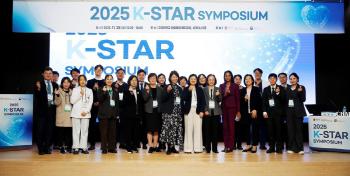
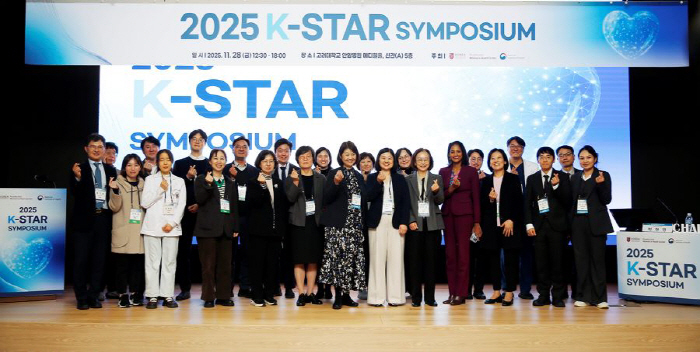
The '2025 K-STAR Symposium" co-hosted by Korea University Anam Hospital Rosetta Hall Women's Heart Center and the National Institute of Health was held at Korea University Anam Hospital's Medi Hill Hall on the 28th.
The symposium was designed to broadly look at the differences between men and women in cardiovascular disease from pathophysiology to clinical approaches and treatment strategies, and to explore the K-STAR (Korean Standards for Sex- and Gender-based Diagnostics and Treatment of Cardiovascular Disease).
The program consisted of a total of three sessions. In the first session, Shim Wan-joo, director of the Seoul Central Medical Center, and Shin Mi-seung, professor of Gachon University of Medicine, were the chairmen, and domestic experts announced the latest issues of women's heart disease, including traditional and non-traditional cardiovascular risk factors (Professor Bae Sung-ah of Yonsei University), non-obstructive coronary myocardial ischemia (Professor Hwang Do-yeon of Seoul National University), and heart failure concepts (Professor Kim So-ri of Korea National University) that went beyond the ejection rate-centered classification. Professor Jang Ji-hoon of Inha Medical University, Professor Cho In-jung of Ewha Medical University, Professor Kim Hee-dong of Soonchunhyang Medical University, Professor Kim Mi-na of Korea Medical University, Professor Yang Jung-hoon of Sungkyunkwan Medical University, and Professor Jeong Jae-hoon of Dongguk Medical University discussed.
In the second session, Professor Park Sung-mi, head of the Rosetta Hall Women's Heart Center at Korea University Anam Hospital, and Professor Hong Gru of Yonsei University College of Medicine were in charge. Professor Pam R. Taub of the University of California, San Diego (UCSD) introduced gender differences in dyslipidemia management, and Professor Yayoi Tsukada of the Japanese Medical University gave a special lecture on the Japanese Heart Association's guidelines for gender- and gender-based cardiovascular disease and introduced international trends. Professor Lee Soo-yong of Busan Medical University, Professor Lee Sang-yeop of Chung-Ang Medical University, Professor Jeong Mi-hyang of Catholic Medical University, Professor Seo Jeong-won of Seoul Medical University, Professor Joo Hyung-joon of Korea Medical University, and Professor Na Jin-oh of Korea Medical University participated as debaters.
In the third session, Park Hyun-young, former director of the National Institute of Health, was the chairperson. Domestic research status was shared, including gender difference-based clinical research promotion strategy of the National Institute of Health (Director Lim Hyun-jung of the National Institute of Health), recognition of cardiovascular disease and unmet medical needs according to gender (Professor Park Sang-min of Eulji University), gender differences in Korean chest pain expression in angina (Professor Shin Ji-young of Korean Language and Literature at Korea University), and gender differences in cardiovascular disease (Professor Yoo Seung-chan of Yonsei University) identified by big data. Professor Park Hye-sook of Ewha Womans University, researcher Park Eun-ja of the Korea Institute of Health and Social Affairs.
At the symposium, the results of the 「2025 Gender Gap Awareness Survey for Adults of Cardiovascular Disease」 jointly conducted by the Rosetta Hall Women's Heart Center and the National Institute of Health were also announced. Only about 20% of all respondents knew that the main cause of death in women was cardiovascular disease, and only 10.3% recognized that men and women may have different symptoms of cardiovascular disease. Only 8% said they knew that effects and side effects could vary depending on gender in cardiovascular disease treatment drugs and procedures, and 68.8% said they had never encountered any cardiovascular disease-related education or information in the past year. As a result, the need for public education and policy support in consideration of gender differences was once again confirmed.
Professor Park Sung-mi, director of the Rosetta Hall Women's Heart Center at Korea University's Anam Hospital, said "Since cardiovascular disease shows different patterns in men and women throughout their lives, we hope that this K-STAR symposium will contribute to a healthy cardiovascular future for both men and women by integrating research, prevention, and treatment strategies that consider gender differences."
Meanwhile, the Rosetta Hall Women's Heart Center at Korea University Anam Hospital is the first and only official women's heart center in Korea and has been aiming for a gender-specific cardiovascular treatment model that integrates prevention, diagnosis, treatment, and research. Based on the results of this K-STAR symposium and awareness survey, the center plans to expand cooperation with the National Institute of Health and overseas researchers, and continue follow-up research to prepare cardiovascular disease education programs and treatment guidelines reflecting gender differences.
The symposium was designed to broadly look at the differences between men and women in cardiovascular disease from pathophysiology to clinical approaches and treatment strategies, and to explore the K-STAR (Korean Standards for Sex- and Gender-based Diagnostics and Treatment of Cardiovascular Disease).
The program consisted of a total of three sessions. In the first session, Shim Wan-joo, director of the Seoul Central Medical Center, and Shin Mi-seung, professor of Gachon University of Medicine, were the chairmen, and domestic experts announced the latest issues of women's heart disease, including traditional and non-traditional cardiovascular risk factors (Professor Bae Sung-ah of Yonsei University), non-obstructive coronary myocardial ischemia (Professor Hwang Do-yeon of Seoul National University), and heart failure concepts (Professor Kim So-ri of Korea National University) that went beyond the ejection rate-centered classification. Professor Jang Ji-hoon of Inha Medical University, Professor Cho In-jung of Ewha Medical University, Professor Kim Hee-dong of Soonchunhyang Medical University, Professor Kim Mi-na of Korea Medical University, Professor Yang Jung-hoon of Sungkyunkwan Medical University, and Professor Jeong Jae-hoon of Dongguk Medical University discussed.
In the second session, Professor Park Sung-mi, head of the Rosetta Hall Women's Heart Center at Korea University Anam Hospital, and Professor Hong Gru of Yonsei University College of Medicine were in charge. Professor Pam R. Taub of the University of California, San Diego (UCSD) introduced gender differences in dyslipidemia management, and Professor Yayoi Tsukada of the Japanese Medical University gave a special lecture on the Japanese Heart Association's guidelines for gender- and gender-based cardiovascular disease and introduced international trends. Professor Lee Soo-yong of Busan Medical University, Professor Lee Sang-yeop of Chung-Ang Medical University, Professor Jeong Mi-hyang of Catholic Medical University, Professor Seo Jeong-won of Seoul Medical University, Professor Joo Hyung-joon of Korea Medical University, and Professor Na Jin-oh of Korea Medical University participated as debaters.
In the third session, Park Hyun-young, former director of the National Institute of Health, was the chairperson. Domestic research status was shared, including gender difference-based clinical research promotion strategy of the National Institute of Health (Director Lim Hyun-jung of the National Institute of Health), recognition of cardiovascular disease and unmet medical needs according to gender (Professor Park Sang-min of Eulji University), gender differences in Korean chest pain expression in angina (Professor Shin Ji-young of Korean Language and Literature at Korea University), and gender differences in cardiovascular disease (Professor Yoo Seung-chan of Yonsei University) identified by big data. Professor Park Hye-sook of Ewha Womans University, researcher Park Eun-ja of the Korea Institute of Health and Social Affairs.
At the symposium, the results of the 「2025 Gender Gap Awareness Survey for Adults of Cardiovascular Disease」 jointly conducted by the Rosetta Hall Women's Heart Center and the National Institute of Health were also announced. Only about 20% of all respondents knew that the main cause of death in women was cardiovascular disease, and only 10.3% recognized that men and women may have different symptoms of cardiovascular disease. Only 8% said they knew that effects and side effects could vary depending on gender in cardiovascular disease treatment drugs and procedures, and 68.8% said they had never encountered any cardiovascular disease-related education or information in the past year. As a result, the need for public education and policy support in consideration of gender differences was once again confirmed.
Professor Park Sung-mi, director of the Rosetta Hall Women's Heart Center at Korea University's Anam Hospital, said "Since cardiovascular disease shows different patterns in men and women throughout their lives, we hope that this K-STAR symposium will contribute to a healthy cardiovascular future for both men and women by integrating research, prevention, and treatment strategies that consider gender differences."
Meanwhile, the Rosetta Hall Women's Heart Center at Korea University Anam Hospital is the first and only official women's heart center in Korea and has been aiming for a gender-specific cardiovascular treatment model that integrates prevention, diagnosis, treatment, and research. Based on the results of this K-STAR symposium and awareness survey, the center plans to expand cooperation with the National Institute of Health and overseas researchers, and continue follow-up research to prepare cardiovascular disease education programs and treatment guidelines reflecting gender differences.
|
This article was translated by Naver AI translator.