Seven traditional teas that are good for relieving hangovers and strengthening immunity at the end of the year
Dec 01, 2025


|
Hangovers are caused by a combination of accumulation, dehydration, and inflammatory reactions of toxic substances such as acetaldehyde produced during alcohol decomposition.
Shim Jae-jong, head of the Department of Oriental Medicine at Dasarang Central Hospital, designated by the Ministry of Health and Welfare, explained, "Headaches and nausea that appear the day after drinking are symptoms that occur when the body's humidity cannot escape and the body's humidity accumulates. It is important to take a rest for at least three days after drinking, and to protect damaged organs by discharging toxic substances."
In addition, drinking in winter increases the risk of hypothermia by lowering the body temperature control function, so it is important to manage not only hangover relief but also immunity that falls after drinking. Therefore, we introduce several traditional teas that are helpful for 'Homelessness' and 'Winter Health Maintenance'.
First of all, brown root tea (kudzu tea), which helps decompose acetaldehyde, the main cause of hangover, is representative. In Dongui Bogam, Galgeun has been widely used as a herbal medicine to help recover after drinking too much, recording that it "relieves drinking and quench thirst".
In particular, puerarin and didezane, which are the main components of brown roots, are known to activate alcohol-degrading enzymes to promote the decomposition of toxic substances.
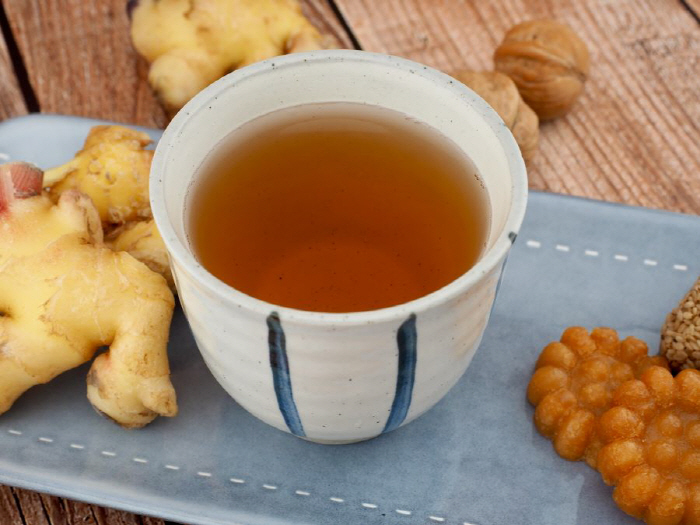
"Ginger Tea" is also a good traditional tea to drink the day after drinking, which warms the stomach and reduces nausea." Feeling warm after drinking alcohol is an illusion caused by dilated peripheral blood vessels, which can actually cause hypothermia due to a drop in core body temperature.
Gingerol, a major component of ginger, promotes blood circulation, helps maintain body temperature, and has the effect of relieving nausea and nausea that are common after drinking too much.
Citrus tea is effective in strengthening immunity. Drinking can reduce immunity by increasing vitamin C consumption. The rich vitamin C of citron helps to recover from fatigue and prevent infection in winter.
In addition, oriental raisin fruit tea (global tea), which is known to alleviate liver cell damage, Omija tea that relieves thirst and heat, dermal tea that helps improve bloating and nausea, and Ulgeum tea, which aids in detoxification of the liver, are also considered traditional teas that can be used to relieve hangover symptoms.
In addition, ginseng extract or fertilizer is effective for relieving headaches after drinking, but it is dangerous to take painkillers for hangover headaches. This is because the detoxification process puts an additional burden on the already exhausted liver and can cause gastrointestinal disorders.
Director Shim Jae-jong said, `The traditional tea introduced earlier is only a way to take care of a body that is tired of drinking too much, but it is not a justification for drinking or a cure for alcohol problems.' `If drinking alcohol is the best, but it is difficult in reality, it is most desirable to avoid drinking too much and binge drinking and to keep the proper amount of alcohol" he advised.
|

This article was translated by Naver AI translator.