Food poisoning infection during kimjang? To reduce the risk of pickled cabbage E. coli...


|
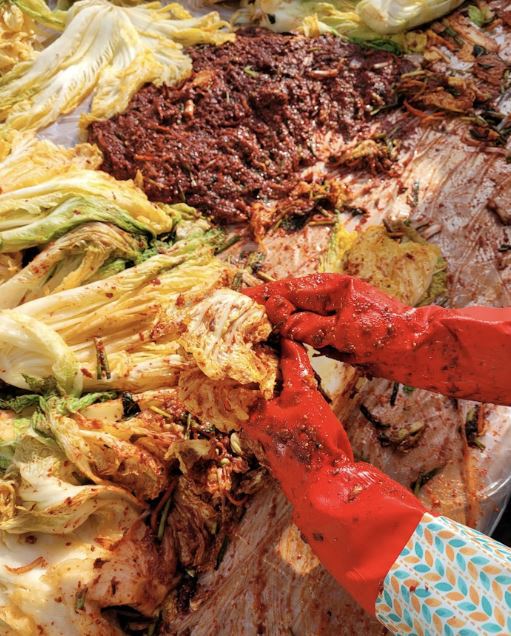
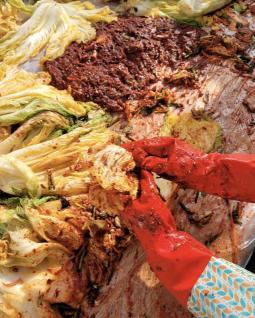
Pickled cabbage is manufactured through processes such as screening, cutting, salting, washing, dehydrating, and packaging raw cabbage, but special attention is needed because various environmental microorganisms, including coliforms, may remain or be re-contaminated throughout the manufacturing and distribution process.
Pickled cabbage is safest to use on the day of receipt. When stored at room temperature, E. coli, a sanitary indicator bacterium, may proliferate, so if it is inevitably stored for more than a day, it must be washed and used.
In kimchi, lactobacillus, a beneficial bacterium, is known to suppress coliforms during the fermentation process, but since initial hygiene is most important, it is recommended to soak pickled cabbage in clean water, rub it gently with your fingers to the deep part between the cabbage roots and leaves, and rinse it two or three times later to remove surface microorganisms.
According to a survey by the Ministry of Food and Drug Safety, washing pickled cabbage three times reduces the total number of bacteria by about 95% and the coliform group by about 93%. However, excessive cleaning can reduce the quality of pickled cabbage, so it is recommended to wash it within a range not exceeding three times.
In addition, food poisoning bacteria are easily transmitted through hands, so wash your hands meticulously using running water and soap before touching food ingredients and wear disposable gloves if possible.
Since kimchi is used in a variety of materials and tools, it is necessary to use knives and cutting boards separately by materials to prevent cross-contamination, and avoid using old or scratch-on-surface containers. Pay attention to cleaning and disinfection before and after use.
When making kimchi, proceed in a cool environment, and manage the material not to be exposed to room temperature for a long time during work. Ingredients such as garlic, salted fish, and red pepper powder should be used as soon as possible after opening after confirming the date of manufacture, and the finished kimchi needs to be stored at low temperatures to maintain quality and safety.
Kim Jae-han (an internal medicine specialist) of Daedong Hospital emphasized, "People often think that microorganisms are killed just because they are salted, but some bacteria can survive or multiply even in a saline environment, so thorough management is necessary." "The elderly, immunocompromised, and infants have a relatively high risk of complications in the event of food poisoning, so they should be more careful."
He added, "'If you follow basic hygiene rules such as storage, cleaning, and prevention of cross-contamination of food ingredients, you can significantly reduce the risk of food poisoning, so please pay a little more attention and prepare safe and healthy kimchi.'"
Suspected symptoms of food poisoning include ▲ cramping abdominal pain ▲ diarrhea ▲ vomiting and nausea ▲ dehydration symptoms such as dry mouth, dizziness, and decreased urine volume ▲ fever, and if these symptoms appear, visit a medical institution for proper treatment.
|

This article was translated by Naver AI translator.